
Once again, FITUR has closed its doors with record visitor numbers, reaffirming the strategic importance of tourism in the Spanish economy and its ability to adapt to an ever-evolving context. In this edition, trends were clearly shaped by a more conscious tourism model, focused on caring for visitors, the environment, and local communities.
At The Blueroom Project, this evolution is clearly reflected in the marketing strategies developed together with our clients, aligned with a more human, personalized form of tourism that is deeply connected to the identity of each destination.
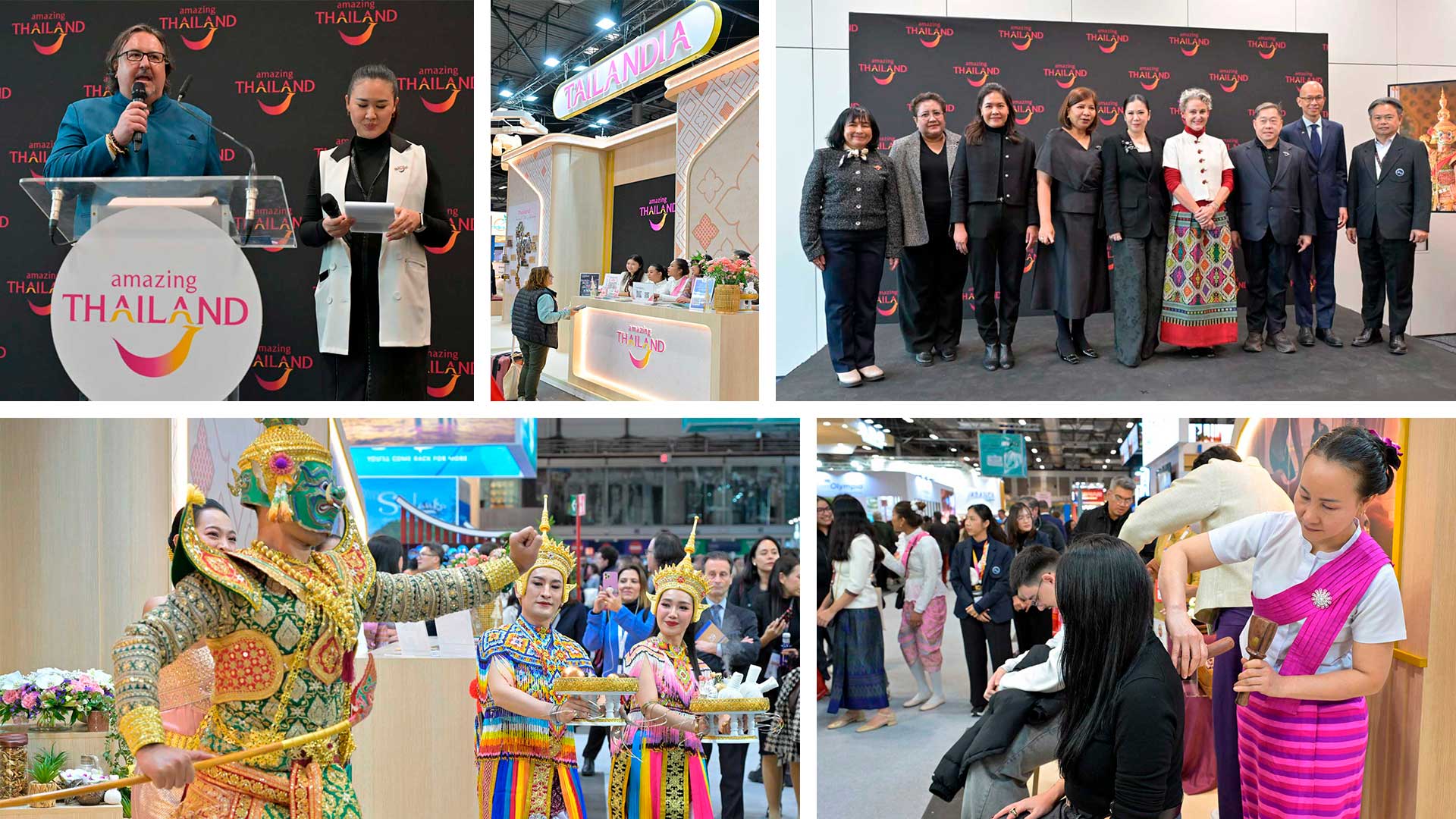
Tourism Thailand, which in 2025 once again broke records for Spanish visitor numbers, presented its new campaign Healing is the new luxury at FITUR. This proposal invites travelers to reconnect with the country through well-being, healing, and personal renewal, promoting personalized experiences that highlight the cultural and natural diversity of one of Southeast Asia’s richest destinations.
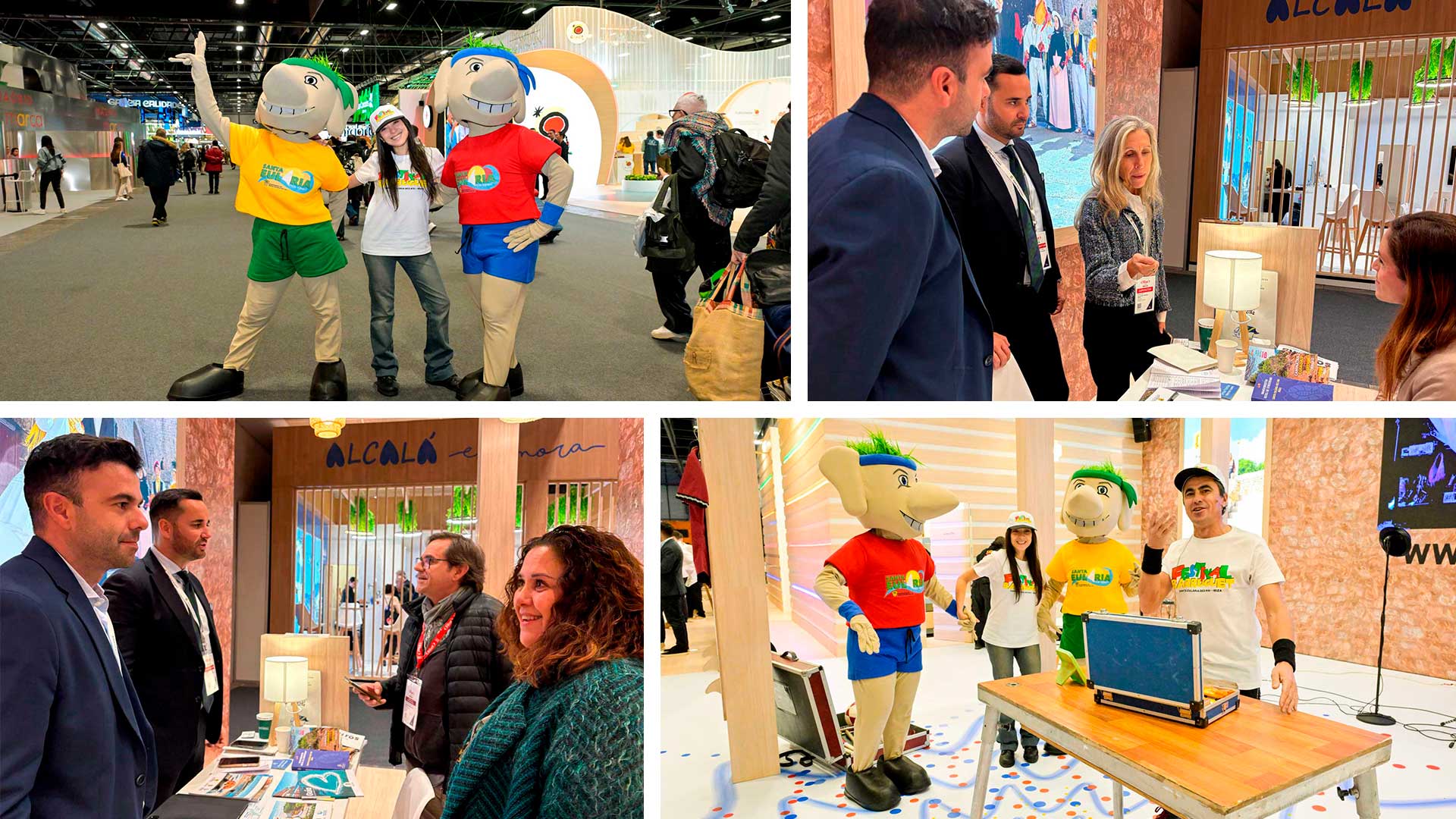
Santa Eulalia des Ríu, in Ibiza, also showcased its commitment to new tourism trends, with a strategy focused on reducing seasonality and increasingly responsible resource management. The municipality promotes the concept of slow life and encourages a visitor profile that combines modernity with respect for Pityusan culture and traditions, embracing sustainable, family-oriented tourism. This philosophy was evident at the Ibiza stand, where visitors enjoyed a performance by Els Barruguets and took part in a draw to discover the destination next May.
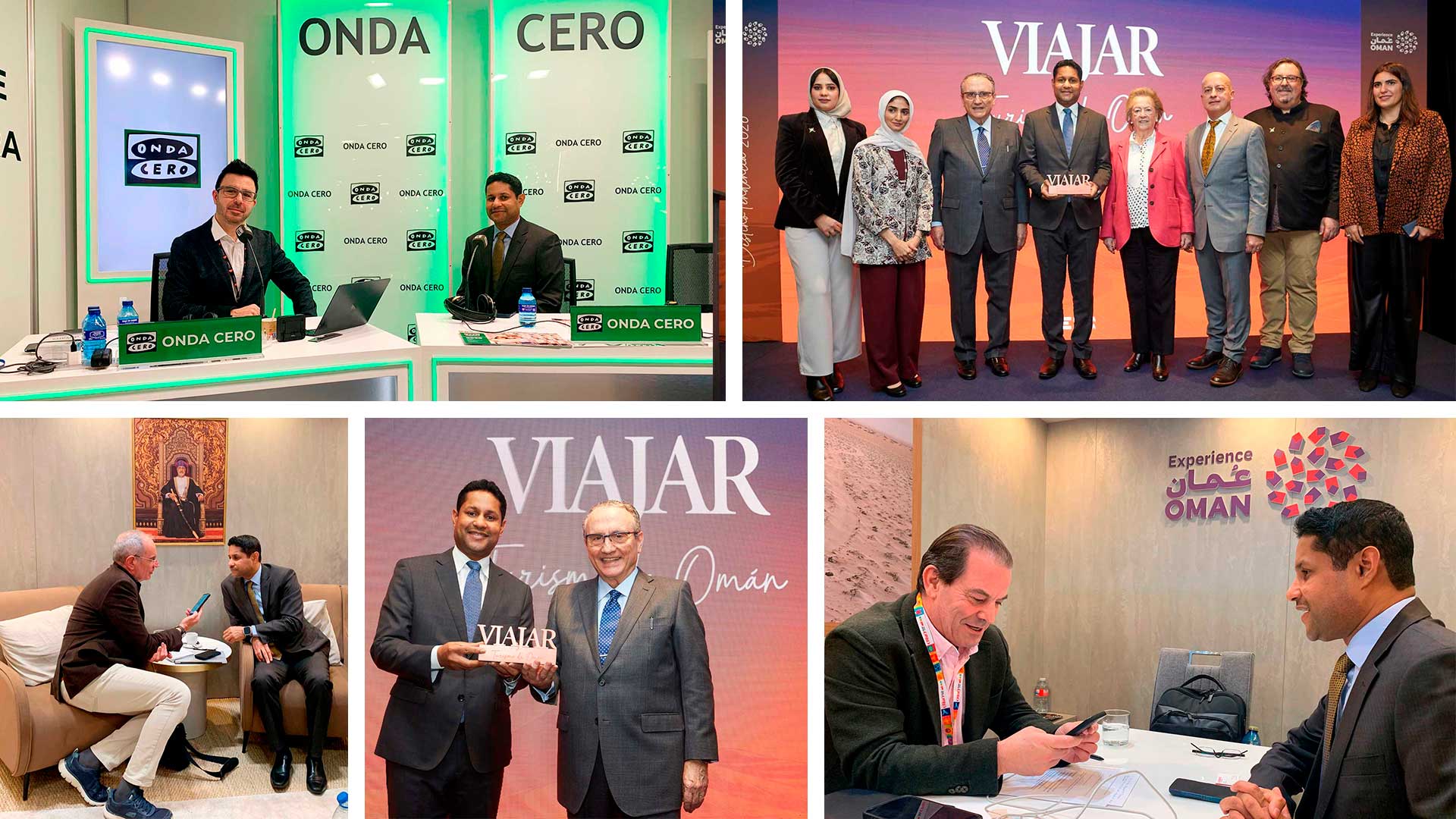
Meanwhile, the Sultanate of Oman, having increased Spanish tourist arrivals by 23% since the opening of its Representation Office in Spain, stood out at FITUR for its positioning based on authenticity. Its cultural richness, natural diversity, and hospitality, which places human connection with the traveler at the forefront, set it apart in an increasingly digitalized tourism marketing landscape.
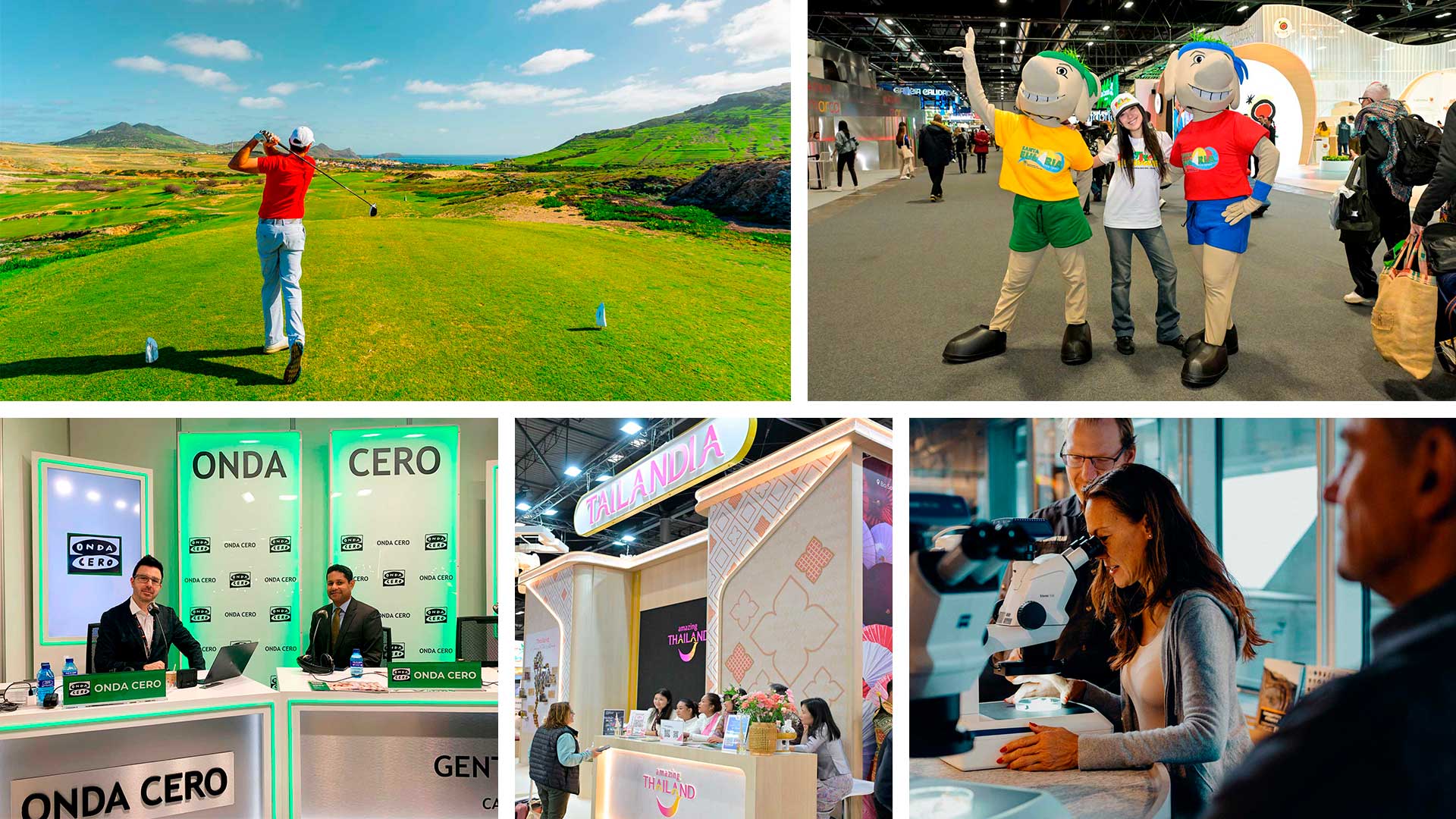
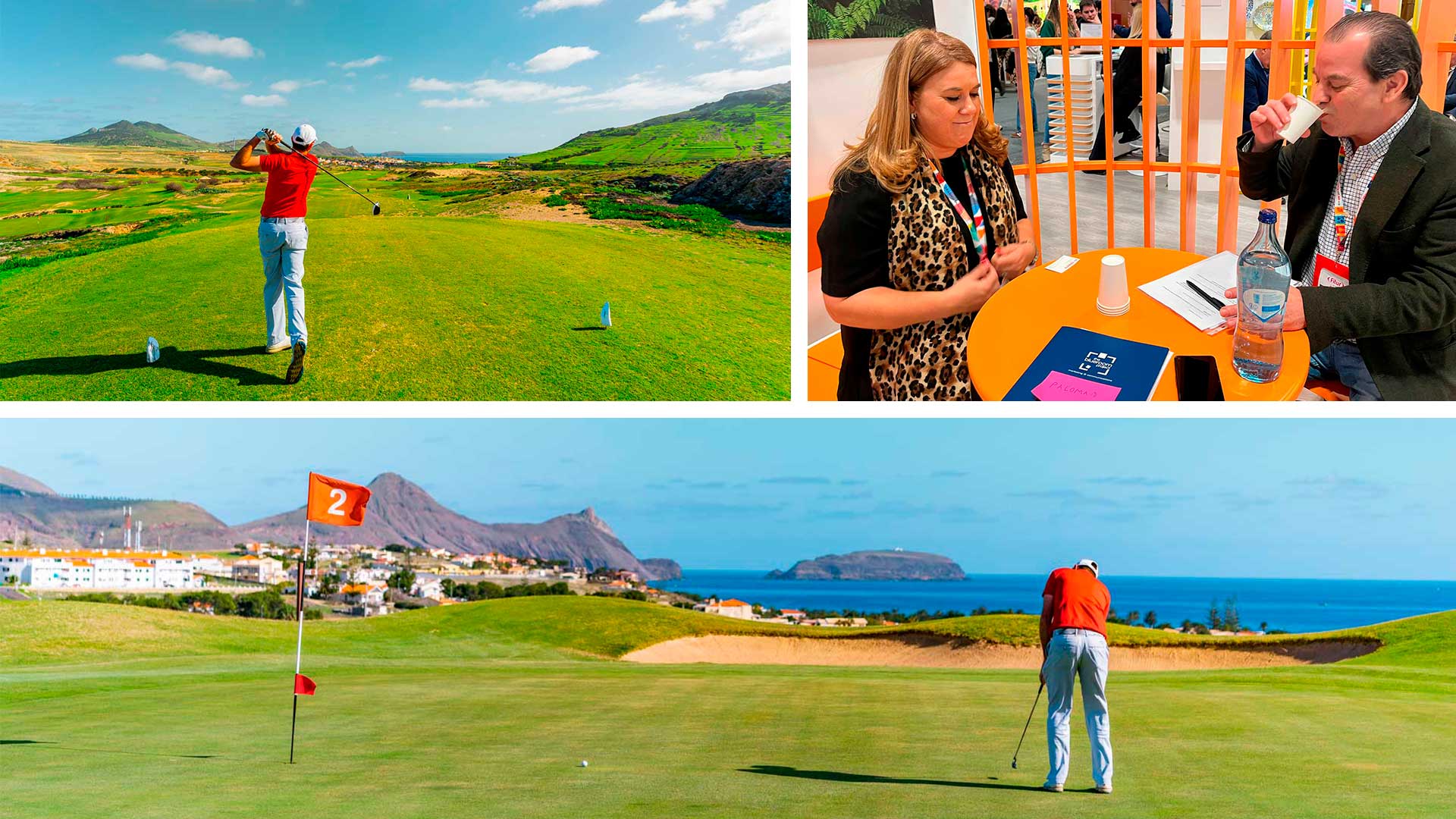
The island of Madeira, an international benchmark for sustainability, once again demonstrated its commitment at FITUR to environmental protection and the preservation of its cultural identity. The Macaronesia archipelago thus reinforces its positioning as a responsible destination, where landscape conservation and the well-being of the local population are an essential part of its tourism offering.
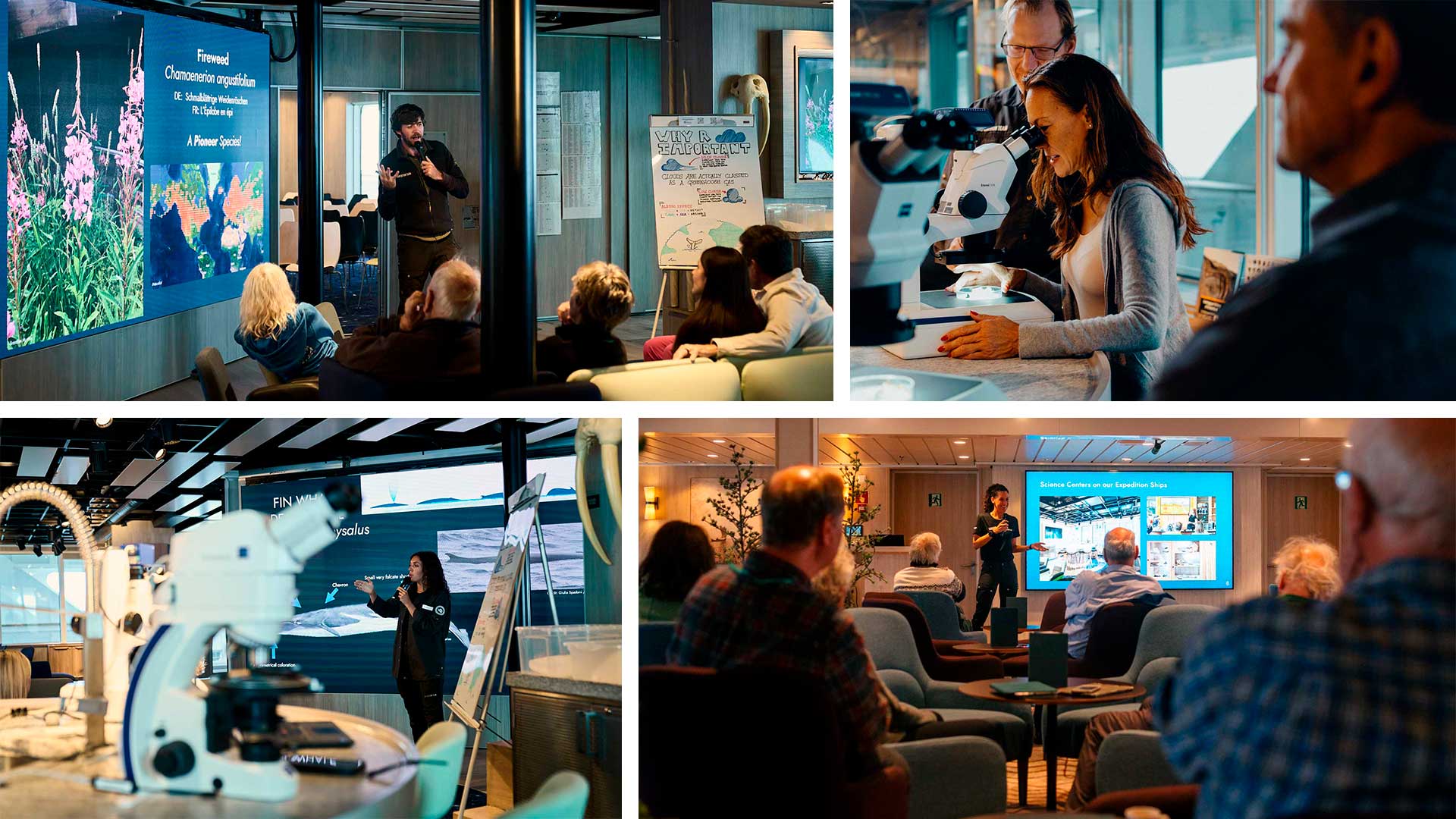
This trend toward environmental care and regeneration also extends to the field of expedition cruising, with cruise lines HX and Hurtigruten focusing on collaboration with local suppliers and educating travelers about the ecosystems they visit. An approach aligned with regenerative tourism, which was reflected in their space within the Norway stand.
FITUR once again highlights that the future of tourism lies in coherent, authentic, and people-centered marketing strategies—a vision that we at The Blueroom Project continue to promote alongside our clients.
To all our friends in the sector—those who lead, design, communicate, and create content—thank you for your support in building bridges toward a wide variety of destinations and companies.